How Your Hearing Health Connects to Your Brain Health: Updated WHO Guidelines
|
|
It’s a scene we see time and again at our Northborough clinic, as families walk through the door carrying the same quiet frustration. Grandkids' high-pitched voices are getting harder to catch, the TV volume keeps creeping higher, and family dinners leave you exhausted from trying to keep up rather than feeling connected.
If this sounds familiar, you're far from alone, and there is now a more compelling reason than ever to pay attention to these subtle changes.
In our last blog, we mentioned that the World Health Organization was updating its guidelines on dementia risk reduction, and its latest release highlights a powerful connection between hearing and cognitive health. The new guidelines officially recognize that addressing hearing loss and using hearing aids are key interventions to help protect against long-term cognitive decline.
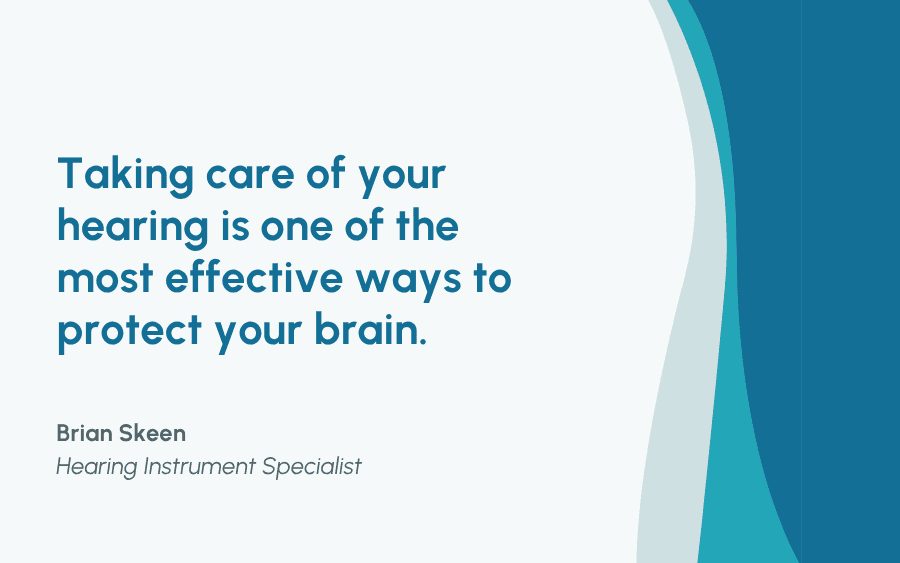
This isn't just about hearing better, but about staying present for the moments and people you love. For our team at Mass Hearing Specialists, these updated findings confirm what we have witnessed firsthand for years: Taking care of your hearing is one of the most effective ways to protect your brain.
Understanding the WHO's New Guidelines on Dementia
Health experts across industries have studied various factors that contribute to dementia risk. The WHO recently updated its official guidelines to spotlight hearing health as one of the most significant modifiable factors for protecting your cognitive function.
When you have untreated hearing loss challenges, even mild ones, your brain has to work overtime. It constantly strains to decode jumbled or incomplete sound signals, trying to figure out who said what, where the conversation’s going, what's going on.
This constant focus on the process of understanding drains your cognitive reserves. The mental energy that should go toward memory, comprehension, and problem-solving is instead rerouted just to figure out what was said. This strain often leads to social withdrawal: When it’s exhausting to keep up with conversations in Shrewsbury or at a busy Worcester restaurant, it’s easier to just stay home.
This isolation is a well-known risk factor for dementia, creating a cycle that can be hard to break. The WHO’s new focus highlights that by supporting your hearing, you can help free up those precious mental resources and stay engaged with the world around you. You can get back to enjoying conversations, not just enduring them.
What Does "Brain Strain" Feel Like?
You might not realize your brain is working harder, but you may recognize the symptoms. Have you ever felt completely wiped out after a simple coffee chat with friends? Or found yourself nodding along in a conversation without really absorbing the details? That’s cognitive fatigue, a direct result of your brain struggling to fill in the gaps left by hearing loss.
By getting a comprehensive hearing assessment, you can get a clear picture of what’s really going on. A professional evaluation allows our team to understand your unique hearing profile. This isn’t just about making sounds louder, but about making them clearer so your brain doesn’t have to struggle. You can rest assured that we take a personalized approach, ensuring any solution we suggest is tailored specifically to you.
How Can Hearing Aids Help Protect Your Cognitive Health?
It’s important to be clear: Hearing aids are not a cure for Alzheimer’s or dementia. However, the WHO guidelines now formally recognize them as a vital tool for reducing your risk and slowing cognitive decline. When properly fitted by a professional, modern hearing aids do more than just amplify sound.
Advanced hearing aid technology helps to:
Reduce Listening Effort: By clarifying speech and filtering out distracting background noise, hearing aids deliver a cleaner signal to your brain. This reduces the cognitive load, freeing up mental energy for other tasks.
Promote Brain Stimulation: Your auditory pathways need consistent stimulation to stay healthy. Hearing aids reintroduce a full range of sounds, keeping those neural connections active and engaged.
Encourage Social Engagement: When you can follow conversations confidently, you’re more likely to participate. Staying connected with family, friends, and your community is one of the best things you can do for your brain health. Hearing well allows you to do just that.
Our patients often tell us it’s the little things that make the biggest difference when it comes to better hearing. It’s hearing the punchline of a joke, participating in a family decision, or simply feeling present with loved ones without the constant strain.
Your Next Step: A Compassionate, Local Approach
Taking that first step can feel daunting, but it doesn’t have to be. As a family-based team, we are dedicated to making this process as comfortable and educational as possible. We’re not a big, impersonal chain. We’re your neighbors, serving the communities of Northborough, Leominster, and Springfield because we genuinely care about helping people reconnect with their lives.
When you come to our clinic, you’re not just another appointment on the schedule. We listen. We take the time to understand your lifestyle, your concerns, and your goals. Whether you need a simple hearing aid repair or are just starting to explore your options, you receive our full attention.
Take Control of Your Hearing and Cognitive Health Today
The WHO’s updated guidelines are a powerful reminder that hearing health is essential to overall wellness. You don't have to accept a life of missed conversations and mental fatigue.
If you’re ready to take a proactive step for your hearing and your brain, schedule a hearing evaluation with us. Let our family help yours. We’ll provide the professional, compassionate care you deserve and help you reconnect with all the sounds of your life.
Frequently Asked Questions (FAQs)
Q: Does untreated hearing loss actually increase my risk of dementia?
A: Yes. Recent World Health Organization (WHO) guidelines list hearing loss as a major modifiable risk factor for cognitive decline. When you have difficulty hearing, your brain burns extra mental energy trying to decode sounds instead of storing memories or processing information. Over time, this strain, combined with the social isolation that often follows, can accelerate cognitive decline.
Q: Can wearing hearing aids prevent or cure dementia?
A: No, hearing aids are not a cure for dementia or Alzheimer's disease. However, WHO guidelines recognize them as an effective tool to reduce your overall risk. By delivering clearer sound signals to your brain, hearing aids lower cognitive strain, keep auditory pathways active, and make social interaction much easier.
Q: Why do I feel so exhausted after social gatherings or family dinners?
A: That mental exhaustion is called cognitive fatigue. When you experience hearing loss, your brain works overtime to fill in missing words, filter out background noise, and guess what people are saying. That continuous effort drains your mental energy, leaving you feeling wiped out even after a brief conversation.
Sources